The 5 Klaviyo Flows I Build First, and the Filters That Keep Them From Double-Sending
By Brennan Lunin, Founder at BL AdWorks
Most stores I look at have a welcome email and nothing else. The campaigns go out, the flows sit empty, and every visitor who leaves without buying leaves for good.
Here are the five flows I build first, in the order I build them. I am giving you the triggers and the filters, not revenue projections, because the filters are the part people get wrong and the projections are the part nobody can promise you.
1. Welcome (3 emails, 5 days)
Triggers on list signup. Email one confirms the subscription and delivers whatever you promised, immediately. Not in an hour. If someone hands over an email for a code and the code takes an hour to show up, they have already closed the tab.
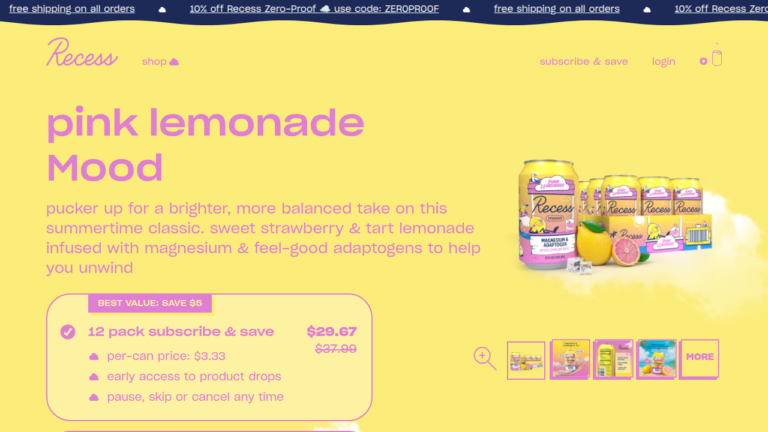
One thing to check before you build it: if your storewide banner already shows a public discount code to every visitor, your signup form is asking for an email in exchange for something you gave away for free. I ran into exactly that on a real store’s site recently, and it undercuts the whole flow. Fix the banner first, or give the form its own offer.
2. Browse abandon (2 emails, 24 hours)
Triggers on Viewed Product. This is the one people skip, and it is the one that quietly overlaps with everything else if you build it carelessly.
Filter it against anyone who already added to cart, and against anyone who has been through this flow in the last 7 days. Without those two filters you will email a person who is actively shopping, which reads as surveillance rather than service.
3. Cart abandon (3 emails, 48 hours)
Triggers on Added to Cart. Filter against Placed Order, and against anyone who received this flow in the last 30 days.
Do not lead with a discount. The people who were going to buy anyway do not need one, and the people who were not are learning that if they stall, you pay them. Email one is a reminder with the cart contents. Email two answers the objection that actually stopped them, usually shipping cost or fit. If you want to put an incentive anywhere, put it last.
Cart abandonment is high across the board. Baymard Institute puts the average around 70%, aggregated across dozens of studies, and that is the one benchmark number in this post I will stand behind, because you can go read the studies.
4. Checkout abandon (2 emails, 24 hours)
Triggers on Started Checkout. Set it to a higher priority than cart abandon in Klaviyo’s smart sending, or you will double-send the person who did both, which is most of them.
This is a real distinction, not a technicality. Someone who reached checkout and stopped hit a specific wall: a shipping number they did not expect, a payment method you do not take, a form that broke on their phone. Ask them.
5. Post-purchase (4 emails, 90 days)
Triggers on Placed Order. Fork first-time buyers from repeat buyers on order count.
For consumable products this is the flow that matters most, and it is the one most stores treat as a receipt. If someone buys a 12-pack that runs out in three weeks, the replenishment nudge timed to week three is worth more than any discount you could send them. Time it to when the product actually runs out, which means you need to know how long your product lasts. Most founders do.
What I am not going to tell you
I am not going to give you an expected revenue lift for each of these. You will see posts that do, with confident ranges attached to every flow. I do not know what your welcome flow will make, because I do not know your margins, your traffic, your offer, or your list.
What I can tell you is which flows exist, what fires them, and what filters keep them from stepping on each other. That part is the same for every Shopify store running Klaviyo, and it is the part that is usually broken.
Where to start
Build welcome and cart abandon. Those two cover the person who gave you an email and the person who got closest to buying. Add browse abandon once those are clean.
If you want the flows themselves rather than a description of them, I am giving the core stack away free to the first 50 stores that claim it. No pitch attached.
Get the 6 core Klaviyo flows, free.
Welcome, browse abandonment, cart abandonment, checkout abandonment, post-purchase, win-back. Built in your Klaviyo account, by me. No cost while the first 50 spots last.
Claim your flows free →Want the whole retention system built instead? See how that works.